Trending

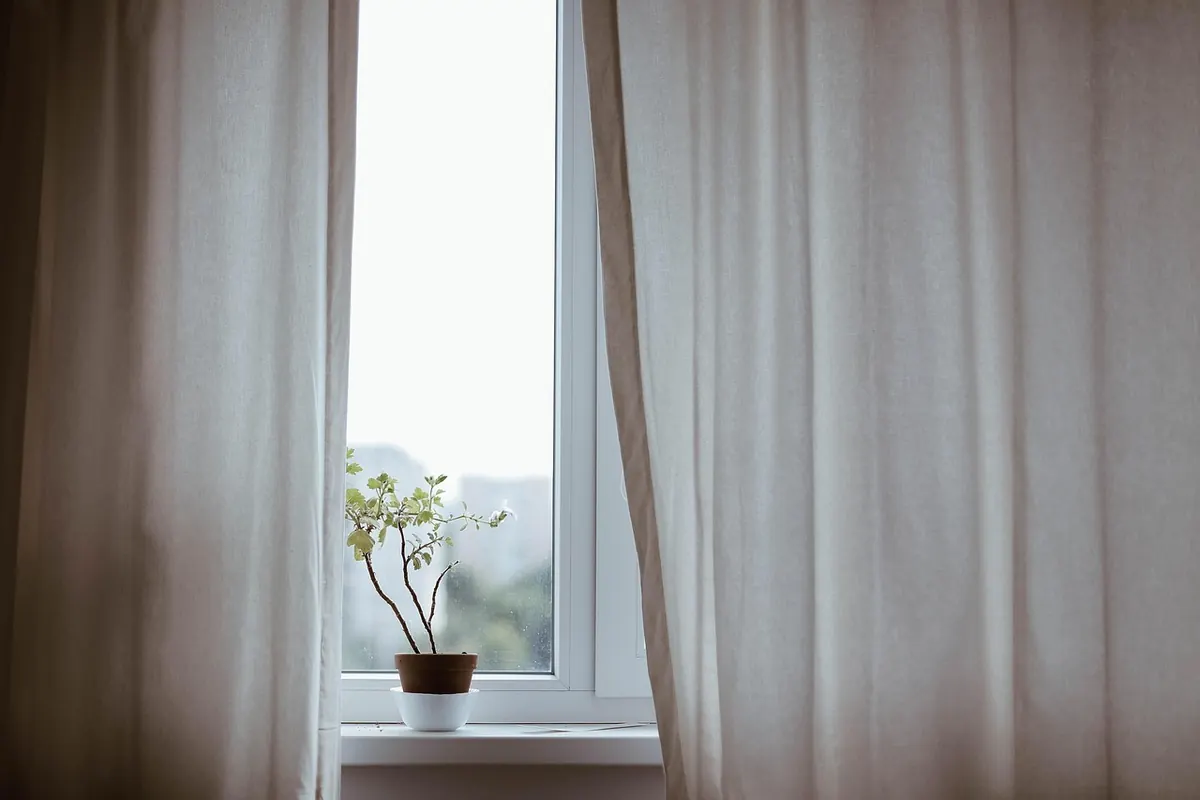
Most quiet, moody photographs are made with less equipment than people expect. A window, a wall, and a little patience will do more for your pictures than another lens. The work is in noticing how light falls, where shadows land, and when a room looks the way you want it to. A useful first exercise is to photograph the same cup at three different times of day. The cup does not change; the light does. Seeing that difference is the beginning of control.
A window is not simply a bright rectangle. It has a direction, a colour, and a mood that changes through the day. In the northern hemisphere, a north-facing window gives soft, consistent light for most of the year. South-facing rooms get strong sun and dramatic shadows. East-facing windows are bright in the morning and quieter later; west-facing windows do the reverse.
The size and height of the window matter too. A tall window throws light deeper into a room, while a small sash window makes a narrow, focused pool of brightness. Notice whether the light lands on the wall, the floor, or the middle of a table. That is where your subject will feel most at home.
If you do not know which way your window faces, spend one day watching it. Look at the same corner at nine in the morning, at noon, and at four in the afternoon. Notice where the light lands and how quickly the shadows move. This small exercise teaches more than a dozen tutorials.
Once you find a window you like, resist the urge to rearrange the room. Instead, move the subject. A chair shifted half a metre closer to the glass, or a cup turned so its handle casts a longer shadow, can change the entire frame.
Move the subject, not the window.
And turn off the overhead light. Mixed lighting — warm bulbs against cool daylight — makes skin look odd and shadows muddy. One light source is usually enough. If you are shooting after dark and a lamp is your only source, use it deliberately and keep it single. The mood comes from consistency.
Direction matters more than brightness. Before you take a photograph, ask where the light is coming from and what it is doing to the subject. Then move yourself, or the subject, by a few centimetres and look again. Small changes in angle often matter more than large changes in equipment.
Place the subject at roughly 45 degrees to the window. One side of the face or object catches the light; the other falls into shadow. This is the most reliable way to create shape and texture. For portraits, ask the person to turn slowly toward the window until the light just touches the far cheek. Stop there. A little shadow gives the face depth. For still life, try a bowl of fruit or a folded cloth; side light reveals every curve and crease.
Put the window behind the subject and photograph toward it. The result is a bright rim, a softer face, and often a gentle haze across the frame. Your camera may expose for the window and turn the subject into a silhouette. That can be beautiful, but if you want detail in the face, expose for the skin and let the window go white. A white wall or a sheet opposite the subject will bounce a little light back into the shadow side. Steam from a cup becomes visible in backlight, which is one reason quiet kitchen photographs often use this direction.
Subject facing the window. This is even, flattering, and a little flat. It works well for details — hands, a page, a cup — but it rarely creates atmosphere on its own. If the frame feels dull, angle the subject away from the window and let the light rake across it instead.
Distance also changes direction. Step back from the window and the light becomes softer and more even; step close and the contrast increases. Before you add anything to the scene, try moving the subject one step forward or back.
Golden hour gets a lot of attention, but the more useful question is simpler: how hard is the edge of a shadow? Hold your hand near the windowsill and look at the shadow it casts. A sharp, dark edge means hard light and high contrast. A soft, gradual edge means gentle light. Once you can see that difference, you can choose when to shoot without checking a single app.
Midday sun through an uncovered window is hard and directional. It can be dramatic, but it is unforgiving on faces. Overcast days are the opposite: the whole sky becomes a diffuser, and the light in the room turns soft and even. Many photographers wait for sun; for quiet, moody work, a grey day is often better.
Weather and season change the colour of the light too. Winter light is lower and cooler; summer light is higher and warmer. Rain on the glass adds texture and turns the window into a soft, patterned source. You do not need to chase the perfect hour. You need to know when your room is at its best. Try the hand-shadow test at three times of day and write down what you see. That small note will become more useful than any lighting diagram.
None of these require a studio. Start with one window, one subject, and one surface, then change a single thing at a time.
After each change, make one frame and stop. Compare it with the last one. The goal is not to build a complicated set; it is to learn which small adjustment creates the mood you want.
Your camera wants to make the whole frame average grey. That is useful for a snapshot, but it is not always useful for a quiet photograph. A dark corner, a bright window, and a single lit object are not a problem to be fixed. They are the picture.
For moody work, expose for the part that matters most — a face, a page, the rim of a cup — and let the rest fall where it may. If the window blows out to white, decide whether that white supports the mood or distracts from it. Often it does support it, because a bright window explains where the light is coming from.
Use exposure compensation rather than fighting the meter. If the image looks too bright, dial it down a third or two-thirds of a stop. If the shadows are too heavy, dial it up slightly. A little underexposure is often more honest than a perfectly even frame.
The histogram is a useful check, not a rule. Look for clipped highlights in the window and blocked shadows in the corners. Then ask yourself whether those extremes are doing harm. A photograph can be technically imperfect and still feel exactly right.
A little shadow is not a mistake; it is the mood.
If you want to improve quickly, practise the same small routine once a week. It teaches your eye to make decisions before you raise the camera.
Ten minutes is enough. The room does not need to be perfect, and the subject does not need to be interesting. What matters is that you are learning to see the light that is already there.
Photo: Pexels / Pixabay