Trending

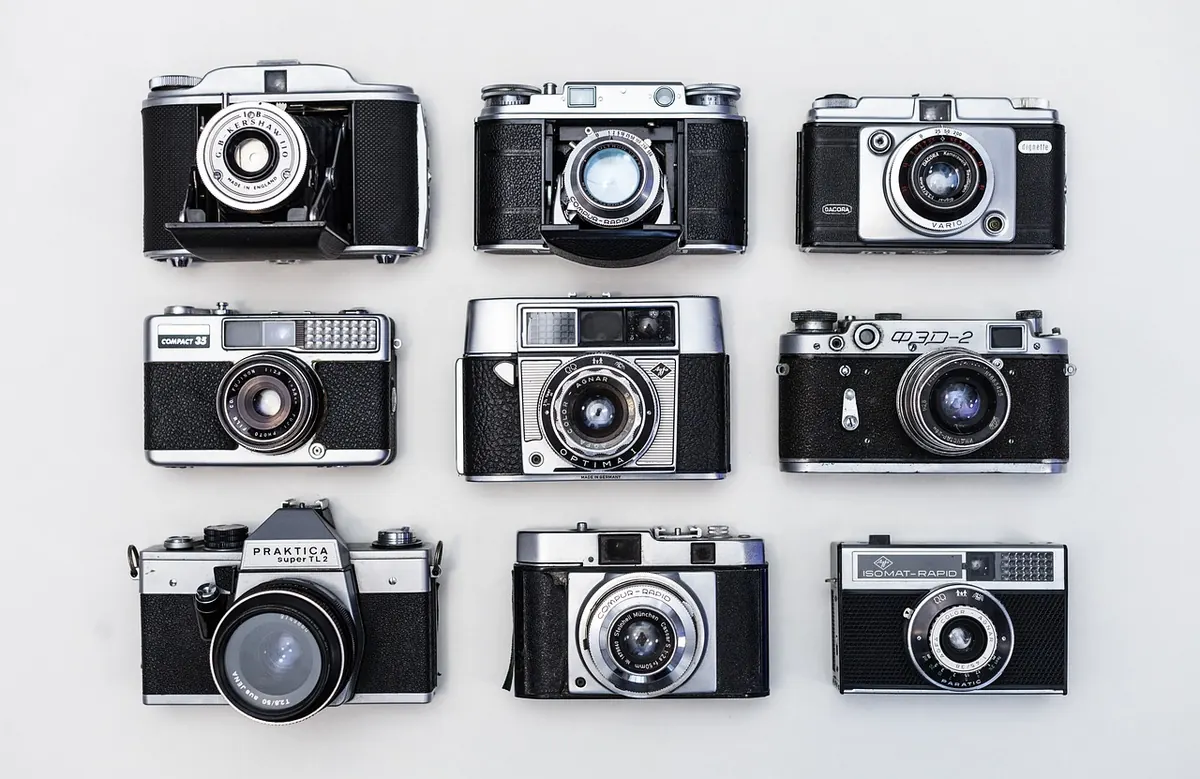
Some mornings the best camera is the one already in your hand. Other days, a small compact camera earns its place in your bag because it gives you a little more control and a different kind of image. For a personal blog, the choice is rarely about which camera is “better” in general. It is about which one gets the picture you need, with the least friction, in the conditions you actually shoot.
Most everyday blog photography happens in ordinary places: a café table, a street corner, a desk, a garden, a weekend walk. These scenes do not demand a professional setup. They demand speed, decent light, and a file that looks good at the size your blog uses. Both phone and compact cameras can do that. The differences show up in how you shoot, how often you miss a moment, and how much work happens after the shutter press.
The phone wins the convenience argument almost every time. It is already with you, it wakes quickly, and it can take a photo, edit it, and upload it before a compact camera has left its bag. That matters for a personal blog because the moments you want to record are often small and unplanned: a reflection in a shop window, a plate of food before everyone starts eating, a sign that made you smile.
A compact camera adds a little ritual. You need a charged battery, a memory card, a strap, and a way to get the files onto your computer or phone. None of that is difficult, but it is enough friction to make you leave the camera at home. If your compact lives in your bag with a charged spare battery and you have a reliable transfer routine, the gap narrows. If you have to hunt for the charger every time, the phone will win by default.
A clean phone lens matters more than most people admit. A smudged lens can soften every photo you take for a week, and you may blame the camera rather than the fingerprint. Wipe it with a soft cloth before a deliberate shot. The same goes for the compact: check the front element, remove the lens cap, and give yourself a second to confirm the settings.
In daylight, at the size most blogs use, a modern phone camera is more than capable. A well-exposed phone photo resized to about 1200 or 1600 pixels wide can look sharp and natural on a laptop screen. For casual blogging, the difference between a good phone photo and a good compact photo is often smaller than the difference between good light and bad light.
The compact camera’s advantage appears when you need something the phone cannot easily give you: optical zoom, a larger sensor, a faster lens, or more control over depth of field. Megapixels are not the headline. Sensor size, lens quality, and the way the camera processes JPEGs matter more. A phone’s computational HDR can lift shadows and tame highlights, but it can also flatten texture and make skin look a little too smooth. A compact may preserve more natural detail, though its JPEGs can look flat and need a small contrast or color adjustment.
Ask yourself how the image will be used. If it will sit inside a blog post at 1200 pixels wide, a phone file is usually enough. If you crop heavily, print the image, or want a tighter frame without walking closer, a compact with an optical zoom is the more comfortable tool. Digital zoom on a phone is simply a crop, and it shows. Optical zoom on a compact changes the lens, and it usually holds up better.
Low light is where the decision gets more interesting. Phone night modes can produce surprisingly bright images from dim rooms, but they work best with still subjects. If someone moves a hand or turns their head during a longer exposure, the result can smear. Compact cameras with larger sensors and fast lenses handle dim interiors with more grace, but a small-sensor compact with a slow kit zoom can be worse than a phone. The label “compact” does not guarantee better low-light performance.
Technique still matters. Brace your elbows on a table, use a wall or railing, and take a burst of shots rather than one. Avoid digital zoom in dim light. Use exposure compensation to keep highlights from blowing out, especially in a restaurant or a workshop with mixed lighting. A phone may brighten a dark scene into something visible but plastic; a compact with a wider aperture may keep the texture of the food, the fabric, or the room. Neither camera fixes bad light entirely, so move toward a window or turn on a nearby lamp when you can.
The phone’s workflow is its quiet strength. You shoot, edit in an app, and upload from the same device. For same-day posts, travel diaries, and quick updates, that loop is hard to beat. The limitation is precision. Editing on a small screen can make you overdo contrast or miss a color shift, and moving files between apps can become messy if you do not keep a simple routine.
Shoot at the largest size you might need, keep a single editing app for consistency, and export at your blog’s image width. Back up the originals to cloud storage when you get home. If you edit on the phone, resist the urge to apply a strong filter to every photo. A little warmth, a slight contrast adjustment, and a careful crop are often enough.
A compact camera encourages a batch approach. You import a card, cull the weak frames, edit a group of images together, and export them in one pass. That is faster for a planned shoot and easier on your eyes. Wireless transfer can send a few images to your phone, but for a full set, a card reader or cable is usually less frustrating. Keep one folder per post or per month, and delete the obvious failures before you start editing.
You do not have to choose one camera for everything. Many bloggers use a phone for daily posts and a compact for planned shoots, indoor events, or days when they want optical zoom and more control. The trick is to keep the two from feeling like separate hobbies. Choose one aspect ratio for your blog images and crop consistently. Set the compact to aperture priority with auto ISO, and save JPEG plus raw if the camera allows it. On the phone, lock focus and exposure when the light is tricky, and stay away from digital zoom unless there is no other option.
A small kit makes the hybrid approach work: a phone with a clean lens and one reliable editing app, a compact with a charged spare battery and card, a microfiber cloth, and a card reader or cable. That is enough for most personal blog posts. If you only carry one device, carry the one that removes the most friction. For many people that is the phone. For others, it is the compact that makes them slow down and look properly.
Look at the last twenty photos you published on your blog. If most were taken in daylight, viewed on a screen, and did not need heavy cropping, your phone is probably enough. If you regularly struggle in dim rooms, want optical zoom, or find phone editing too fiddly, a compact camera will earn its place. Before buying anything, spend two weeks using one camera deliberately: clean the lens, learn exposure compensation, take a few extra frames, and edit with restraint. The best everyday camera is the one you understand well enough to use without thinking.
Photo: FreeCreativeStuff / Pixabay