Trending

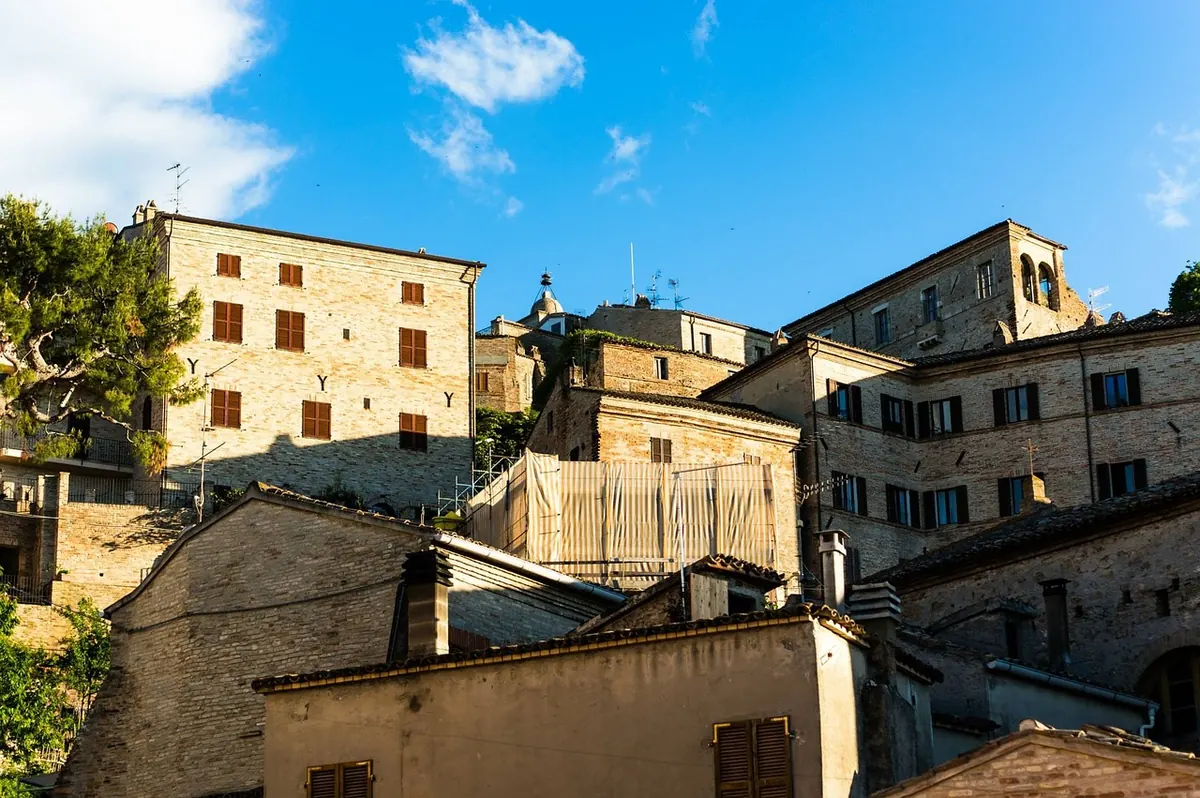
Arrive on the early bus and the town is still half asleep. Shutters are lifting, a man is hosing down the pavement in front of his shop, and the only other people on the Corso are two old women with shopping bags and a cat that has clearly claimed the warmest step. By eleven thirty a coach will have unloaded in the lower car park and the piazza will fill with people holding phones in front of the fountain. Both versions of the town exist, and the difference between them is almost entirely a matter of timing, shoes and knowing where to sit down.
The most common mistake is trying to see three hill towns in a day. You will spend it on the bus and remember the bus. Pick one, ideally forty minutes to an hour from wherever you are staying, and commit. Small towns reward slowness; there is nothing to "finish."
Check the transport timetable before you plan anything else, and check it twice. Rural bus services thin out dramatically on Sundays and public holidays, and some routes simply stop running in August. Buy your return ticket in the morning at a bar or tabacchi rather than assuming you can find one later — the ticket office, if there is one, may well close for lunch. Photograph the last three return times with your phone so you are not squinting at a timetable board at six in the evening.
Aim to arrive by nine or half past, and leave on the bus after six. Those middle hours contain the heat, the crowds and the great Italian shutdown between roughly half past one and four, when the shops put down their shutters and the streets become genuinely empty again. If you are travelling in high summer, that afternoon gap is not a problem to solve. It is the best part of the day. Sit in the shade with a book.
Everything you bring has to go uphill with you, over stone, in the sun. Keep it to a small backpack or a canvas bag that leaves your hands free for handrails and a bottle of water.
Leave behind the wheeled suitcase, the large camera bag, the laptop and the third pair of shoes. If you are staying the night, ask the hotel to hold your bag — nearly all of them will, even before check-in.
Hill towns are built on staircases. Streets that look flat on a map turn out to be ramps, and the shortcut you spot between two houses usually ends in a flight of ninety steps with no rail at the top. This is fine, but pace yourself and take the long, sloping route when you have the choice.
Cobbles are slippery when polished by centuries of feet, and treacherous when wet or covered in fallen leaves. Walk on the smoother strip at the edge of the pavement where there is one, and use the wall on the downhill. Downhill is harder on the knees than up, so take it slowly and don't feel obliged to be brave about it. And if you get lost — which you will, briefly — walk the same route back rather than trying to invent a new one. You will recognise your own landmarks faster than the map on your phone.
Coffee first, standing at the bar, one euro or so and no ceremony. Then walk uphill while the air is still cool, following whatever lane looks narrowest, until you run out of town at the top. Pause at the belvedere. Come back down through the side streets, look at the doorways and the washing lines, and be in the piazza by half past twelve if you want to watch the town at its most sociable.
Eat at one o'clock, either in a small trattoria a street or two back from the main square, or with a picnic assembled from a bakery and an alimentari. Then accept the afternoon: find a bench, a bar with a few tables outside, or the shade of a church wall, and stay there through the hot, silent hours. Around four the shutters go up again, the light softens, and the second, gentler shift of the day begins.
Most towns have a viewpoint at the highest point or the far edge of the walls, often with two benches and a low parapet. Go early or after five. In the middle of the day it belongs to whoever can stand the heat.
The bars on the main square charge for the view. The ones a street away, or beside the bus stop, are cheaper, quieter and full of locals reading the paper. This is where you should have your afternoon coffee.
Sitting on the steps outside a church in the shade, quietly, is one of the great free pleasures of Italy. Inside, keep your voice down, cover your shoulders, and stay out of the way if a service is beginning — a town church is a working building, not a museum, and visitors are welcome but not the point of it.
Walk ten metres up any alley off the main street and the noise disappears. Look for the small signs of ordinary life: a bowl of water outside a door, a bicycle with a basket, a cat asleep on a scooter seat. Take one photograph, then put the phone away.
Many small towns have a cemetery just outside the walls, and it is almost always the quietest place in the area, with cypresses and a bench under them. If you visit, dress and behave as you would at home: it is somewhere people are grieving, not a viewpoint.
Check the last return bus the morning you travel, and check it again at the bar in the afternoon — schedules are usually reliable but not always. Carry a little cash, drink more water than you think you need, and tell someone where you are going if you are walking a trail beyond the town. In summer, a small bottle of water and a hat are worth more than any gadget. If you have health conditions that the heat or the steps might affect, talk to your doctor before planning a long walking day, and don't be shy about turning back early. The town will still be there next time, in the same quiet hour.
Photo: phio / Pixabay