Trending

Reflective writing has an odd reputation. It sounds soft, it gets assigned constantly, and the feedback often arrives as a single line in the margin: needs more depth. That note is accurate and almost useless. Depth usually isn’t a mystery ingredient you add at the end. It’s what remains after the vague parts are cut away and the specific ones are allowed to breathe. The five habits below account for most reflective pieces that read as flat, and each one comes with a fix you can apply to a draft that’s already open on your screen.
The most common sentence in reflective writing is some version of this: “This experience taught me the importance of communication and teamwork.” It isn’t wrong. It’s just empty, because it could have been written by someone who wasn’t there.
“The project taught me a great deal about resilience and adaptability.”
Fine. But what actually happened? Maybe the client changed the brief the day before delivery, and you rebuilt the deck at one in the morning, badly, and nobody noticed the broken chart on slide nine. Write that. The word resilience can appear later, once it has been earned by evidence.
Here’s the drill. Circle every abstract noun in your draft—resilience, growth, communication, leadership, value, importance, awareness. For each one, write a sentence that answers two questions: when exactly? and what did I see or hear? If you can’t answer, the word goes. Nine times out of ten the abstraction is a lid sitting on top of a scene you were avoiding because the scene is messier.
Reflection needs a story, but the story is scaffolding, not the building. A familiar failure looks like six hundred words retelling what happened, followed by eighty words of actual reflection tacked on at the end. The reader does not need the chronology at the resolution you lived it. They need enough to understand the pressure you were under, and then they need your thinking.
Try this diagnostic. Mark every sentence that reports an event, then mark every sentence that interprets one. If the ratio is five to one, the balance is off. Two to one is usually comfortable; in a short piece, one to one can work beautifully.
The same problem shows up at the level of the sentence. Writers often add a line after each observation to make sure the reader got it—what I mean by this is…, this shows that… Cut that line and read the paragraph again. If it still works, the explanation was clutter. Trust the reader a little more than feels comfortable.
Honest reflection has a cost. If nothing in your draft is even slightly uncomfortable, you have probably sanded it down. The safe version reads like this: “I felt overwhelmed at first, but I learned to manage my time better.” The honest version sounds more like: “I felt overwhelmed because I kept redoing work I had already finished. The first version was fine. I just didn’t want to admit it.”
The second sentence has a person in it. That’s the difference.
One workable method: write the private draft fast, with no audience in mind, then decide what belongs in the shared version. Honesty is not confession. You choose how much to disclose, and if the piece is for a course or an employer, ordinary boundaries apply—write frankly about your own reasoning rather than about other people’s failures. But the thinking itself has to be real, or the reader will feel the smooth, sealed surface and lose interest.
Nearly every reflective draft ends the same way if you let it: I learned that communication is key, and I will carry this forward. The problem isn’t the sentiment. It’s that the reader watches you stop thinking. A tidy moral closes the door on the very thing that made the piece worth reading—the part you hadn’t fully resolved.
Swap the moral for an intention specific enough to be tested. Instead of “I will communicate more clearly,” try “next time I’ll ask for the brief in writing before the first meeting, and see whether the same confusion shows up.” That sentence is small, checkable, and honest about the fact that you don’t yet know whether it will work.
Ending on a genuine open question works too. Not a rhetorical flourish—an actual question you’d like answered.
Because reflection feels personal, people treat the first draft as the truthful one and stop there. But a first draft is thinking out loud. The second draft is where thinking becomes visible to someone else.
A few passes do most of the work. Read the piece aloud; you will hear the places where you’re performing. Cut the first sentence of half your paragraphs and see which ones open more sharply without it. Hunt down every form of was and ask whether a real verb would do better. Then leave it alone for a day, if you can, and read it once more before you send it. Distance is a skill you can borrow from time.
None of this requires more talent or a better topic. It requires about twenty focused minutes and a willingness to cut the sentences that sound impressive but say nothing. Here’s the sequence:
The drafts that stay with readers are rarely the most polished ones. They’re the ones where you can see a mind working in real time, noticing something it didn’t expect to notice. Leave a little of that uncertainty on the page. It’s usually the most interesting thing in the piece.
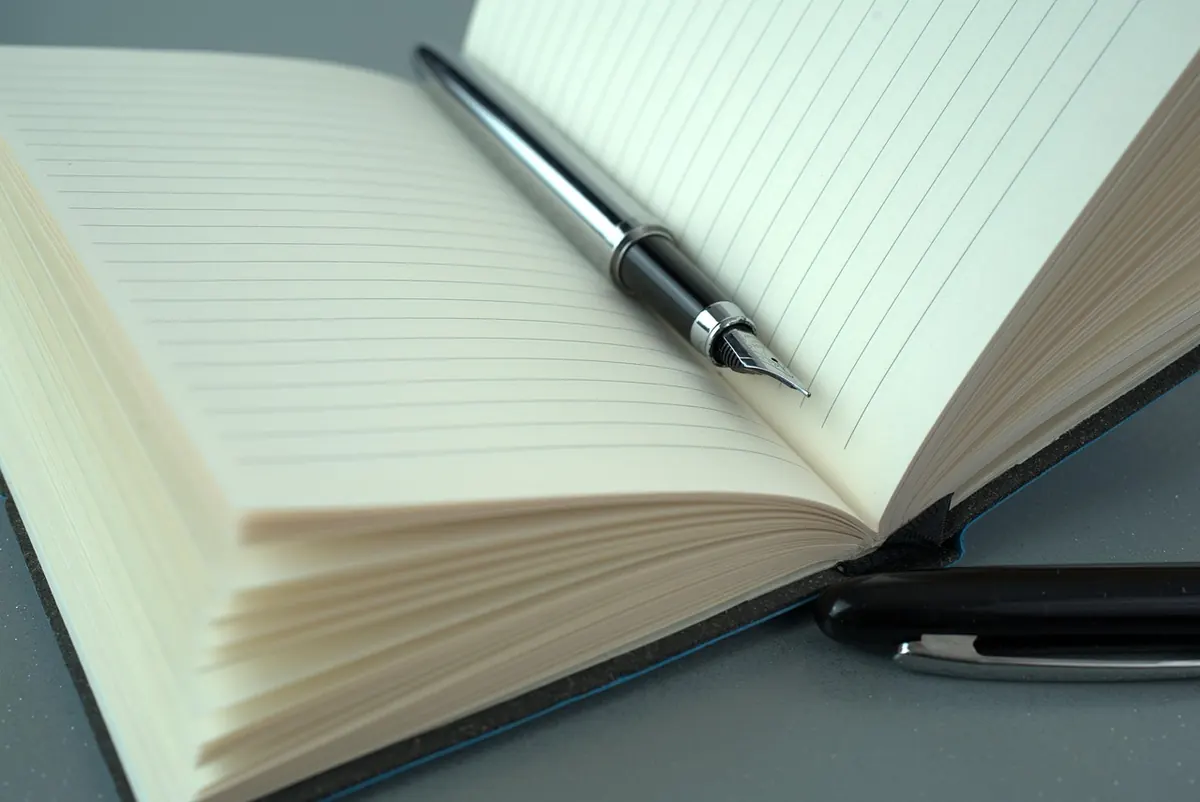
Photo: webandi / Pixabay